
Are we entering the age of resilience?
We ask Jens Brandt Bering, CEO of NIRAS, how resilience is reshaping priorities across the engineering consultancy industry.
Read the interview with Jens Brandt Bering
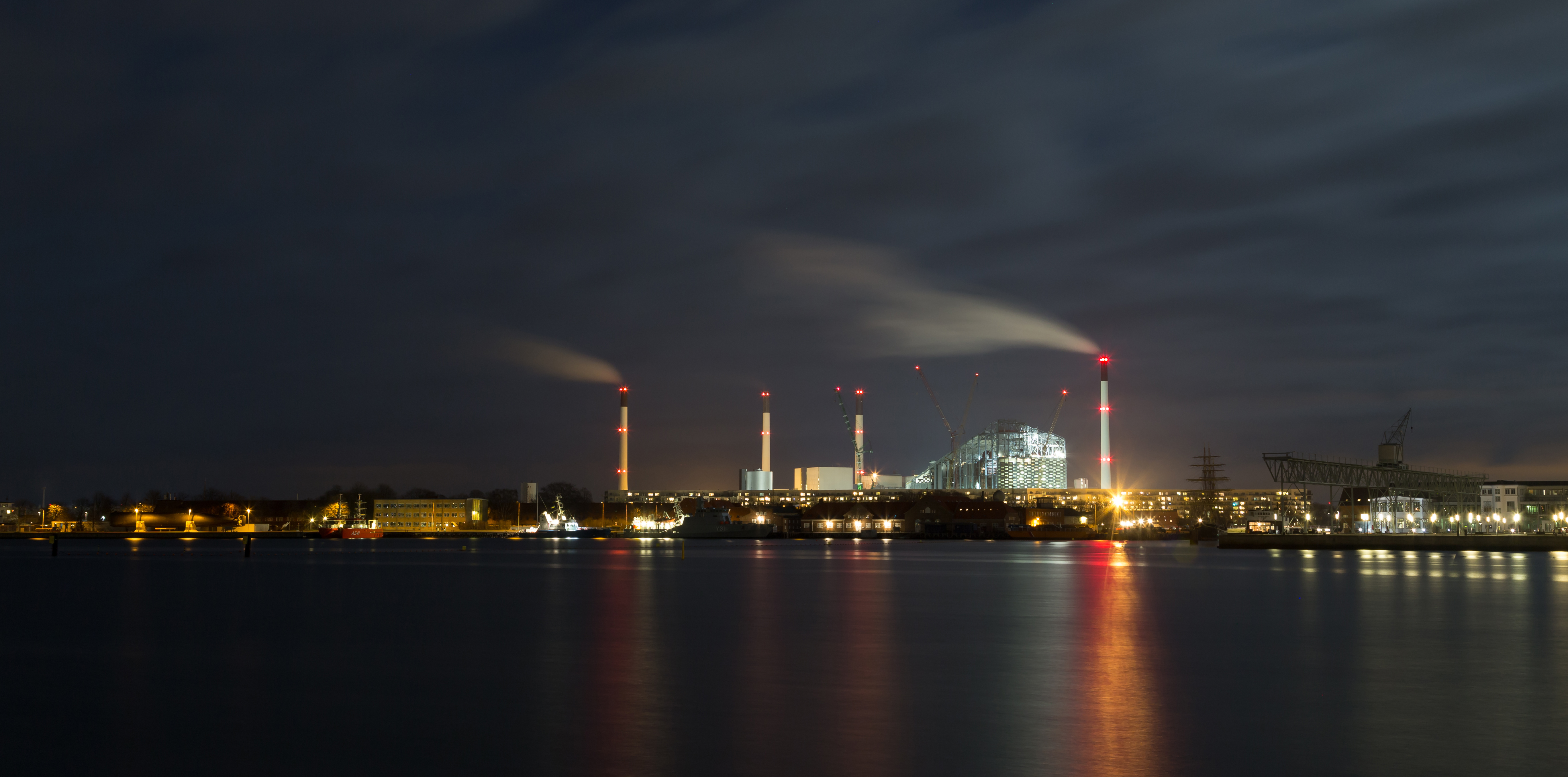
Resilience is no longer a specialist discipline - it is a fundamental requirement in the planning, design, and operation of critical infrastructure.
Resilience is no longer optional. In a world shaped by geopolitical uncertainty, hybrid threats and climate pressures, societies depend on secure, robust and adaptable infrastructure.
Energy systems, water supply, transport networks and urban environments must be engineered to withstand disruption, adapt to evolving risk patterns and ensure continuity of essential services and long-term security of supply.
We help clients navigate this complex reality by integrating resilience into everything we design – from energy, water and transport to defence, healthcare and food systems.
We work with our clients to:
Discover how NIRAS combines technical expertise with strategic insight to help build solutions that stand firm in an uncertain world.
Defence and security authorities rely on NIRAS to strengthen their preparedness, protection and resilience. Through tailored guidance on secure facilities, critical infrastructure and defence-related systems, clients gain the insights needed to manage sensitive projects and processes with confidence.
This support enables organisations to anticipate threats, protect critical assets and maintain robust, reliable operations in an increasingly complex security environment.
Clients responsible for critical infrastructure, climate adaptation and security of supply turn to NIRAS to meet evolving risks and ensure long-term reliability. From managing flood risks and navigating environmental impact requirements to securing dependable energy and water systems, organisations are equipped to make informed, resilient decisions.
This support enables them to protect essential assets, maintain continuity of supply and adapt infrastructure to the challenges of a changing climate.
Below are selected projects demonstrating our work with resilient solutions across sectors.
Supply chains are critical to the continuity of infrastructure, production and essential services. As global risks increase, organisations need greater visibility of vulnerabilities and stronger contingency planning across the value chain. Strengthening supplier resilience and integrating risk management into operational planning helps maintain stability when disruptions occur.


Christian Holmegaard Mossing
Senior Market Director
Data, Analysis & Planning
Allerød, Denmark


