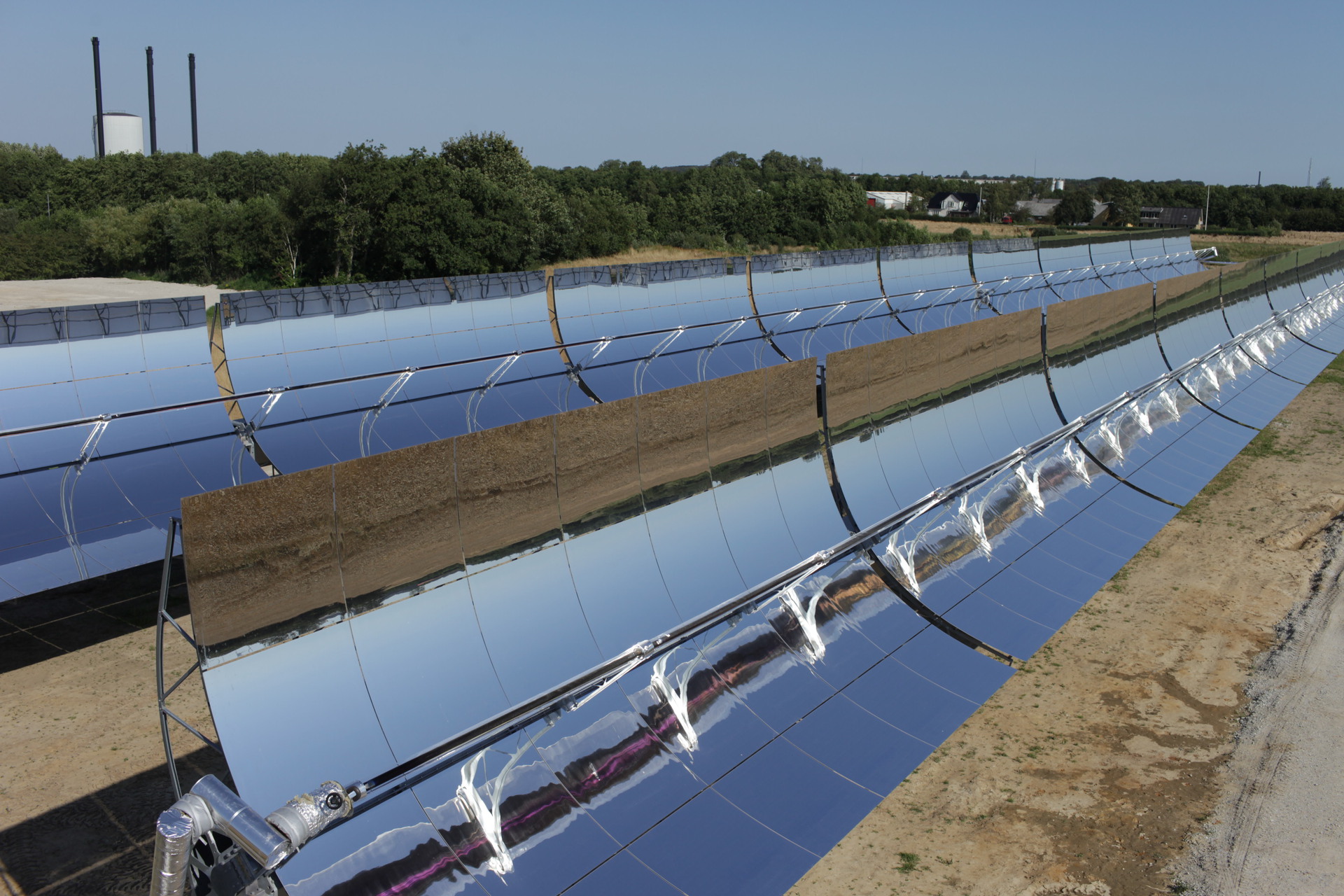
Microgrid design for local renewable energy systems
Microgrids are local energy systems with their own electricity generation and energy storage. They can operate both connected to the wider grid and in island mode. A microgrid can accelerate access to the wider grid, while enabling better use of local energy resources such as electricity and heat across different consumer units. Microgrids can also support a higher share of local renewable energy by balancing generation and consumption close to where the energy is used.
Interest in microgrids is rising because they can relieve pressure on the existing grid and accelerate the green transition by integrating solar and wind energy locally, without requiring large reinforcements in the distribution network.
Planning and delivering a well-functioning microgrid requires specialist knowledge and an understanding of the interplay between energy storage, generation and consumption. The system must run reliably in both grid-connected and island mode. This calls for up-to-date knowledge of battery storage technologies, microgrid controllers, applicable regulation and the technical requirements for grid connection of such installations.
Planning and design of microgrids and local energy systems
Through our consultancy and services for microgrids, NIRAS supports clients across the full lifecycle, from analysis to implementation. Our focus is on designing microgrids that operate reliably both in parallel with the grid and in island mode, while supporting the integration of local renewable energy.
Services and capabilities
Island mode simulations and analysis
Microgrid simulations and analysis of island mode scenarios.
Feasibility studies for local energy systems
Feasibility studies and planning of local energy systems integrating solar, wind and storage technologies.
Design and sizing of BESS in microgrids
Design and sizing of battery energy storage systems (BESS) within microgrids for backup, peak shaving and flexibility.
Integration of solar and wind in microgrid solutions
Integration of solar PV plants, wind turbines and other renewable energy sources into microgrid solutions.
Design, tendering, installation and commissioning
Design, tendering, installation and commissioning of microgrid installations and the associated electrical infrastructure.
Technical specifications and standards
Technical specifications for microgrid components (inverters, protection relays, control units) in line with applicable standards.
Technical advisory and due diligence
Technical advisory and due diligence for energy companies and investors developing BESS and microgrid projects.
Typical project flow: from feasibility study to operation
A typical microgrid project follows six steps:
1. Feasibility study and concept
Techno-economic analysis of the site's energy demand, available renewable resources and possible microgrid configurations.
2. Detailed design and engineering
Design of the microgrid's electrical solution, including specification of components such as inverters, batteries and the control system.
3. Grid connection and regulatory approvals
Dialogue with the distribution network operator about grid connection of the microgrid. The grid connection application is prepared with documentation of the installation's impact on the grid, for example power quality and protection relays.
4. Tendering and installation
Preparation of tender documents and technical specifications for procurement of equipment and contractor work. NIRAS supports evaluation of bids and selection of suppliers. During installation, we supervise the works to ensure quality and compliance with the design and applicable requirements.
5. Testing and commissioning
We support testing of the microgrid's functions in practice, both in parallel operation with the grid and in island mode. Tests verify that the installation can safely disconnect from and reconnect to the grid (island mode and resynchronisation), and that the backup supply performs as intended.
6. Operation and optimisation
Once the microgrid is in operation, NIRAS can provide support for ongoing operational optimisation.
Reach out if you have any questions


See also:


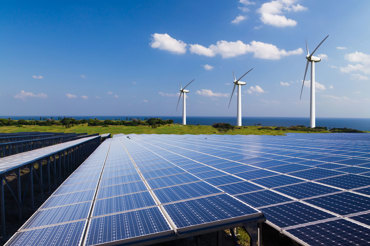
FAQ about microgrids and local energy systems
What is a microgrid?
A microgrid is a self-sufficient, controllable energy system consisting of generation units, energy storage technologies, control and protection systems, and electrical loads that are interconnected. A microgrid can operate both in parallel with the wider grid and autonomously in island mode, where it manages voltage and frequency regulation as well as the balance between generation and consumption.
What does island mode mean in a microgrid?
Island mode means the microgrid can operate disconnected from the wider grid and continue supplying power locally. This places requirements on stable operation, control, and safe disconnection from and reconnection to the grid.
How do microgrids support renewable energy?
Microgrids can enable a higher share of local renewable energy by balancing generation and consumption close to where it is used, for example by integrating solar and wind together with energy storage technologies.
What role does battery storage (BESS) play in microgrids?
Battery storage (BESS) can store electricity until it is needed, providing backup during shortfalls or helping to reduce demand peaks at production facilities, for example, thereby avoiding overloads. Local energy storage delivers flexibility and ensures the self-sufficient system can balance variations in generation and consumption.
What can NIRAS help with on a microgrid project?
NIRAS can support simulations, feasibility studies, design and sizing, technical specifications, tendering, installation, testing and commissioning, and ongoing operational optimisation.